
Why We Read Tense Novels in Tense Times
Dark books and shows in dark times, a theory—with recs!

War, ICE, the Epstein files, rising prices, AI doom—life couldn’t be much more tense, you don’t need me to tell you. And yet, what am I currently reading? A disturbing Catherine Chidgey novel called The Book of Guilt, involving secrets, darkness, and cruelty to children.
And of course, I’m also writing the dark stuff.
My latest novel, What Boys Learn, is about a mother’s fear that her teenage son has become a misogynist and perhaps even a murderer. (Shameless plug: the NYT just called it an “admirably nuanced portrait” and listed it as New and Notable alongside other “terrific, twisty” new thrillers.)
What am I watching? A suspenseful German TV show called “Unfamiliar” about spies hiding out as a normal family, and a zanier Irish series called “How to Get to Heaven from Belfast.” Both shows are tense. I sought them out anyway.
The opposite is true as well—I have spent time scrolling sweet, positive stories as an antidote to gloom. (Olympic favorite Alysa Liu, I love you and your contagious joy!)
But it’s surprising that the sunny stuff hasn’t taken over our reading and watching lists entirely, given how dark the world is now.
I have some theories.
Why We Love Tense Books Even During Tense Times
Mysteries portray a world of order
The first book I was able to read during the early pandemic without my distracted brain digressing into panic mode was Miracle Creek by Angie Kim. Any book that is going to lead us, logically, along the mystery-solving path—rescuing reason from chaos—is a balm when the real world gives us neither clear patterns nor timely justice. For the person who really needs order and predictability, gentle series abound.
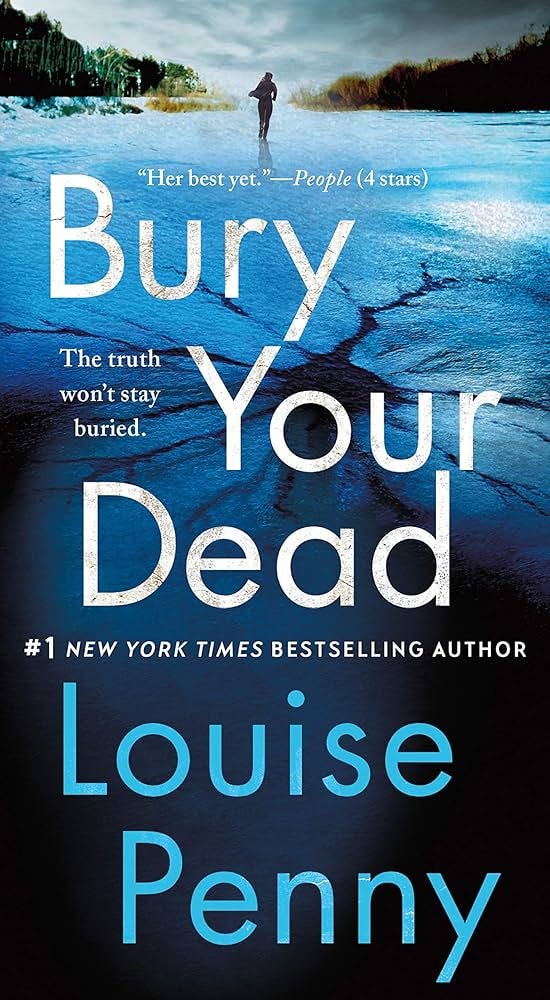
On my TBR: the Three Pines village series by Louise Penny. I recently got the tip that her first book is the coziest, and the later books are darker. I’ve got Bury Your Dead, book number six, on my e-reader. Titrate that tension!
The monster made manifest
Isn’t it satisfying to see something intangibly monstrous turned into a real monster? At least that monster can be fought! Racism in the abstract becomes a cabal of racists with supernatural powers. Cruelty becomes actual demons. Never mind coziness and order. Let the walls bleed!
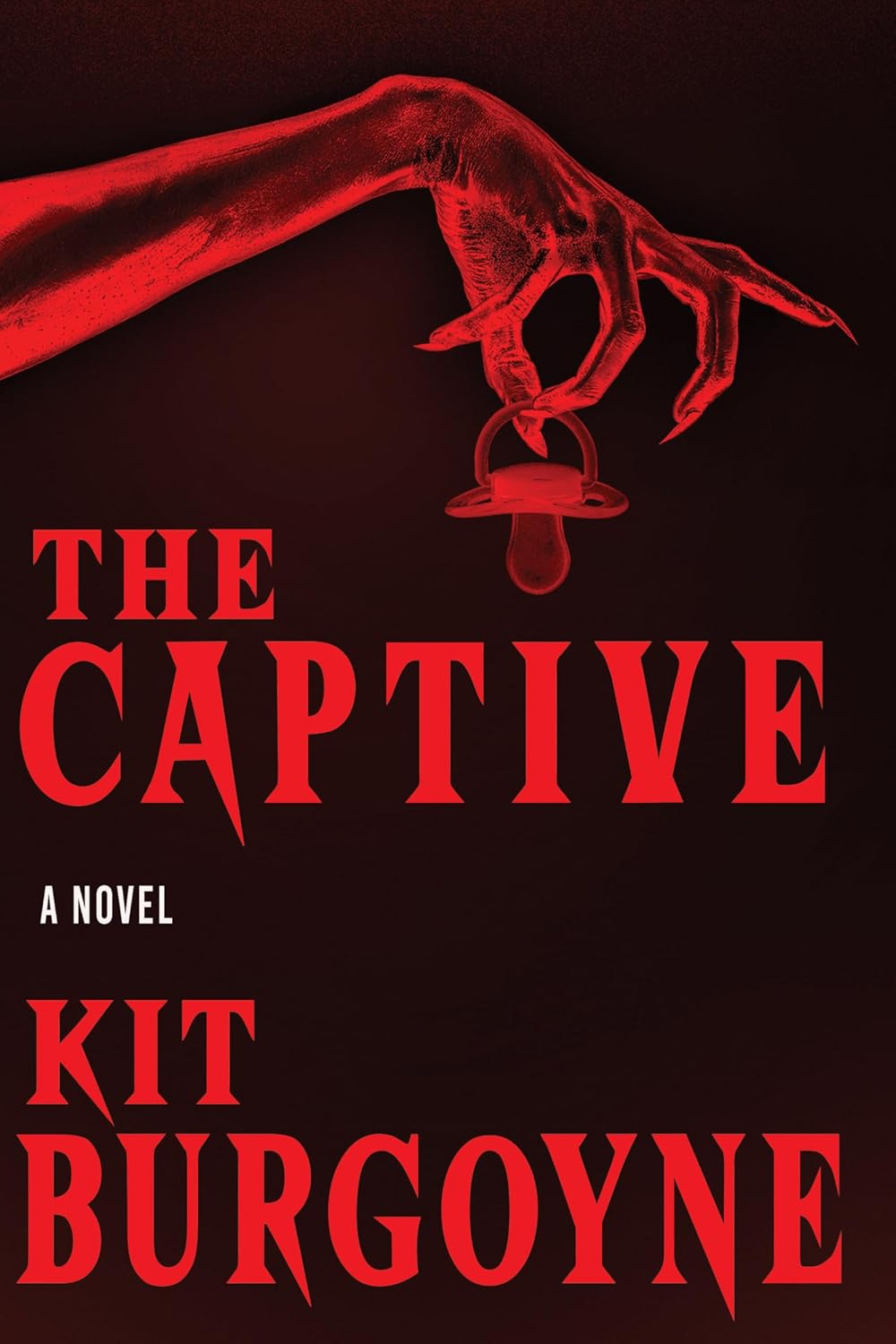
On my TBR: The Captive by Kit Burgoyne, set in the UK, about a revolutionary group who kidnap an heiress, only to discover she's pregnant with the antichrist, and she's about to give birth. It’s described as a Rosemary’s Baby for our times.
Shared anxieties and psychological distress
Our more personal anxieties—Will my kids be safe? Will my husband remain faithful? Can I trust my memories? If something bad happens to me, will I be able to recover?—somehow recede when we are in a story featuring a character who is really going through the shit. The more we secretly worry about something, the more cathartic it can be reading or watching someone struggle with that problem. This is different from the mystery that reassures. Psychological suspense ramps up the possibility that no one is knowable and threats abound in our families and neighborhoods. Even after the threat retreats, our minds may continue to betray us.
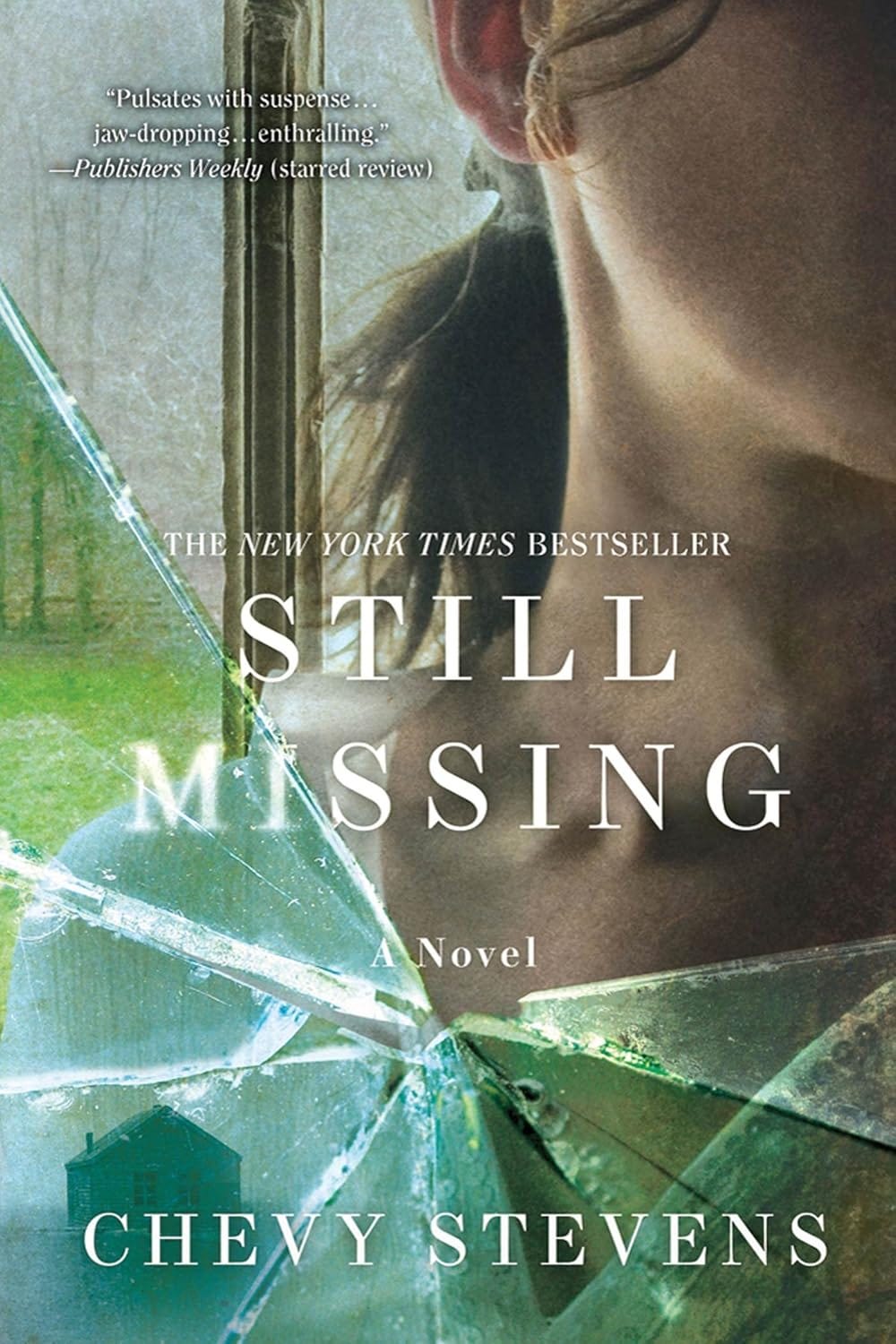
On my TBR: Still Missing by Chevy Stevens, about a woman held captive by a psychopath in a remote cabin and her later struggles to piece her life back together.
Singing the blues
Maybe we don’t share a narrator’s precise problem, but humans have always derived a strange pleasure from the artful evocation of despair. Rainy days, rhythm and blues, dystopian sci-fi movies, memoirs about abuse or grief, and all true crime and crime fiction—pick your poison.
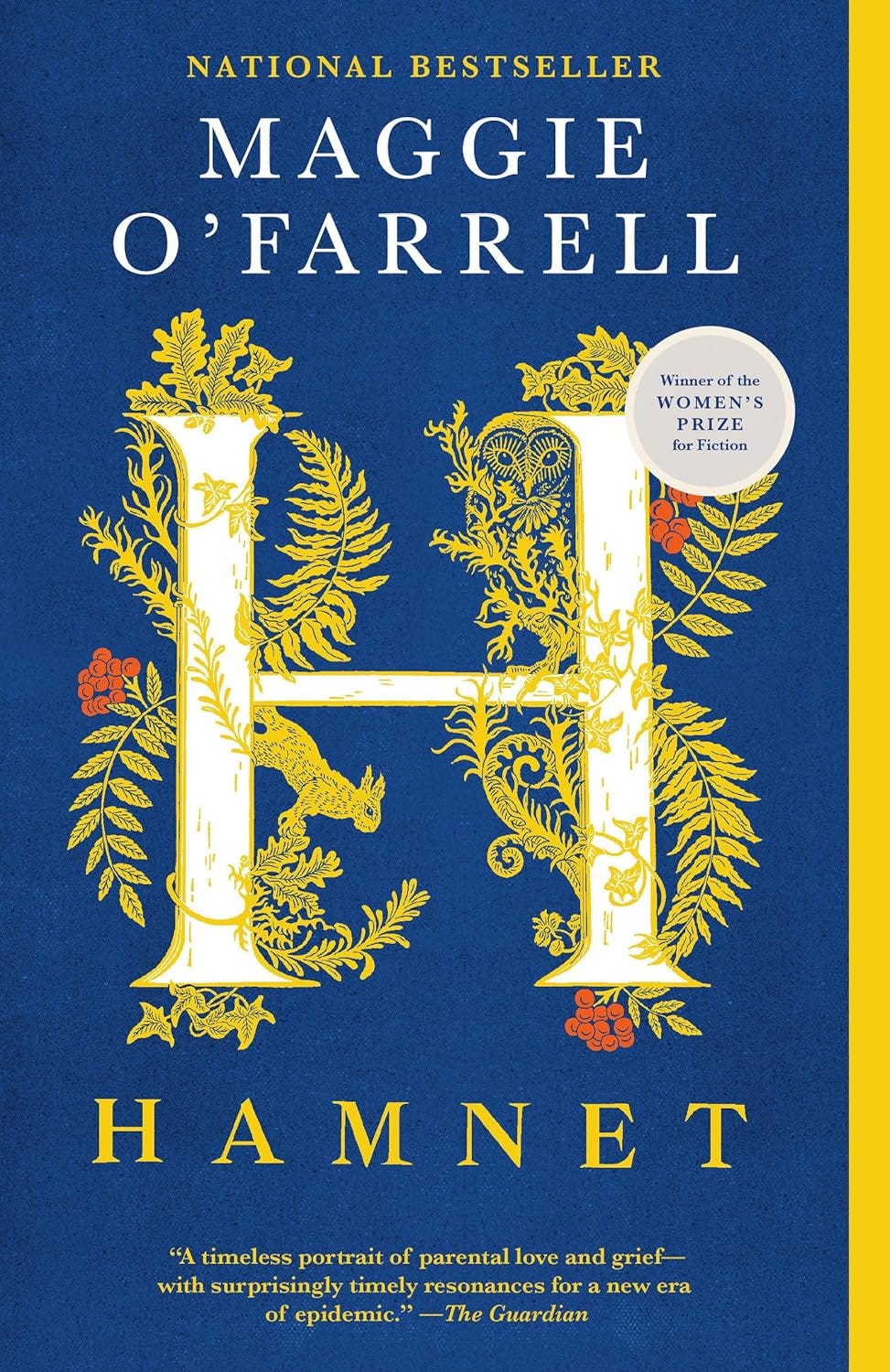
On my TBR: Hamnet by Maggie O’Farrell. (Not suspense or horror, but grief! Plenty of grief!)
The elephant and the chili powder
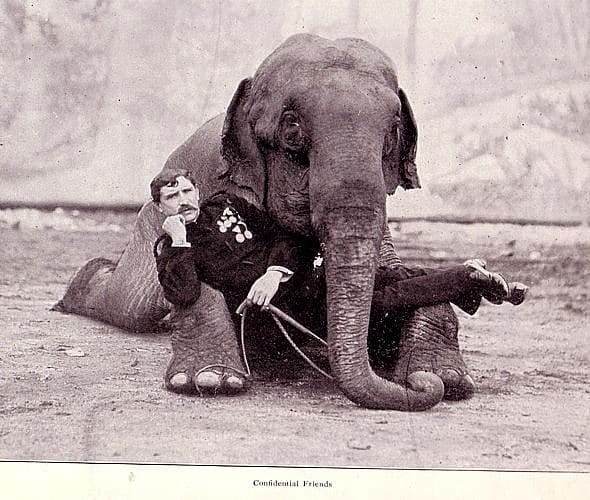
My deep research (three minutes of googling) suggests that elephant trainers don’t really put cayenne powder on elephants’ noses to distract them from pain elsewhere, like their toenails. (Darn it! I’ve believed in that cayenne-elephant-pedicure connection for years!) But real scientists do study and debate the practice of using one kind of pain to distract from another. When multiple painful stimuli are perceived at the same time, we perceive one of them as less painful.
Don’t want to think about ICE for a few hours? Maybe you’ll choose to read a sci-fi novel about Armageddon. Hate what’s happening to the U.S. government? Time to read about the Spanish Civil War. It’s funny that we don’t always turn to a happy story but instead get a perverse relief from an unhappy story set in a different time or place, featuring an extremely terrible situation.
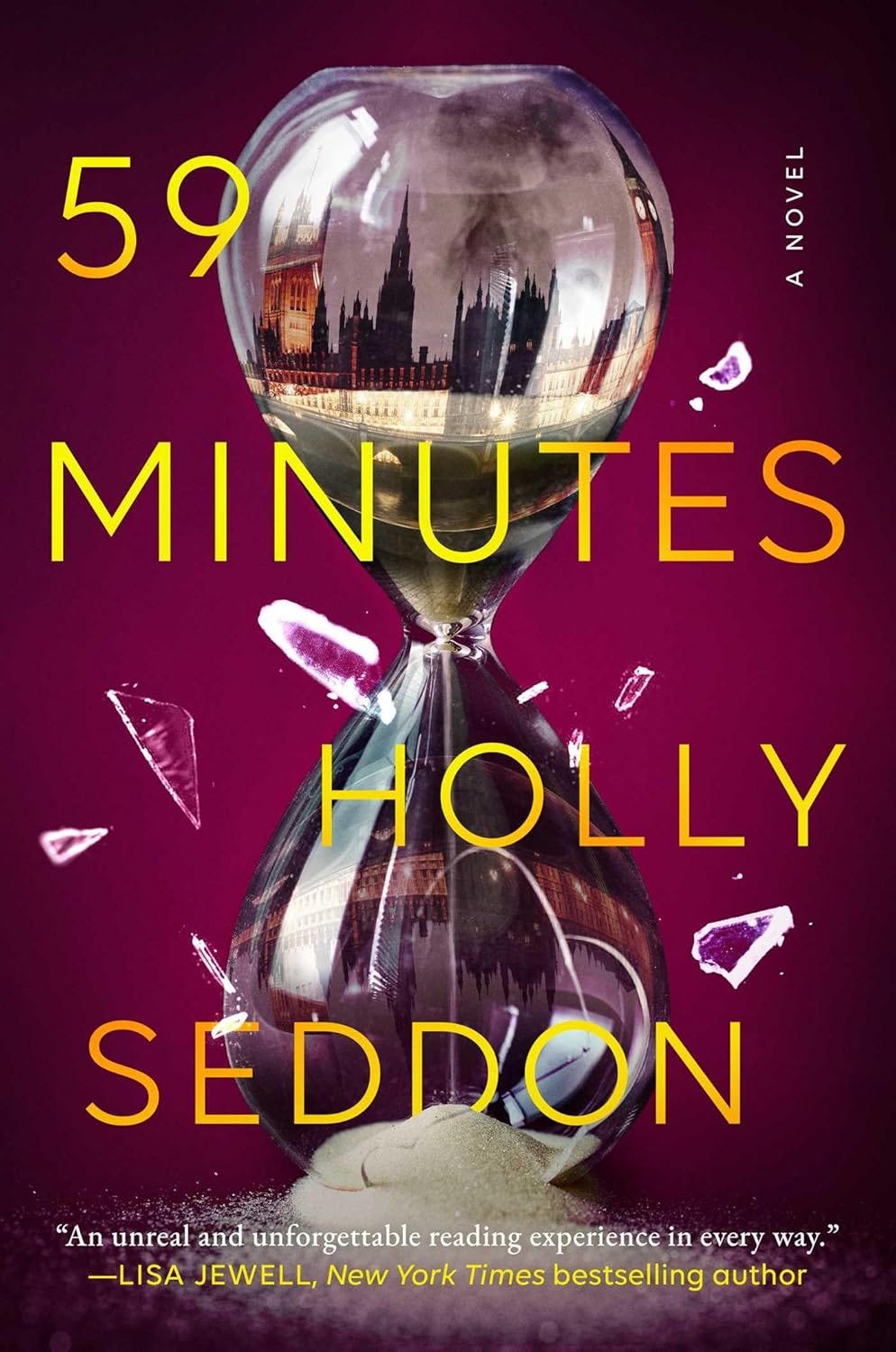
On my TBR: 59 Minutes by Holly Seddon, about a nuclear missile threat about to hit England. Holy crap!
Every book has an end. Isn’t that a relief?
You know what doesn’t seem to be ending? Misogyny. Greed. Hatred of the other. The desire to rape. War-mongering narcissists’ need to be surrounded by fawning idiots in clown shoes. Help! (Am I getting too specific?)
But you know what does end? A book.
In my latest novel, whether or not you are sympathetic to my narrator and her difficult son, you will understand them (and know “whodunnit”)—and then get to part ways!—after fewer than 400 pages.
Done.
What’s your reason for seeking out tension when you already feel tense? What’s your metaphor for that reason? Is crime fiction or scary movies like homeopathic medicine, or more like biting your lip hard after you stub your toe?
Andromeda Romano-Lax is the author of seven novels, including The Deepest Lake, a Barnes & Noble Monthly Pick and Amazon Editor’s Choice, and What Boys Learn. FYI for any retreat-seekers: Andromeda will be teaching at a London-to-New-York multi-genre Writing & Publishing retreat on the Queen Mary 2 this September 5-12. Find out more!
I remember Stephen King saying that people read horror for the vicarious affect and that characters survive to return to order (safety). In these times I can understand reading dark stories where somebody gets through great danger and survives.
The monster made manifest point is especially compelling to me (though they all resonate). And I think it's where people who can't stand tense novels in tense times don't get it. Even if the ending is sad and the monster wins, there's still something comforting about the abstract evils of the world being transformed into something solid. I'd rather fight and lose than, as it often feels in reality, fail to fight and lose anyway.